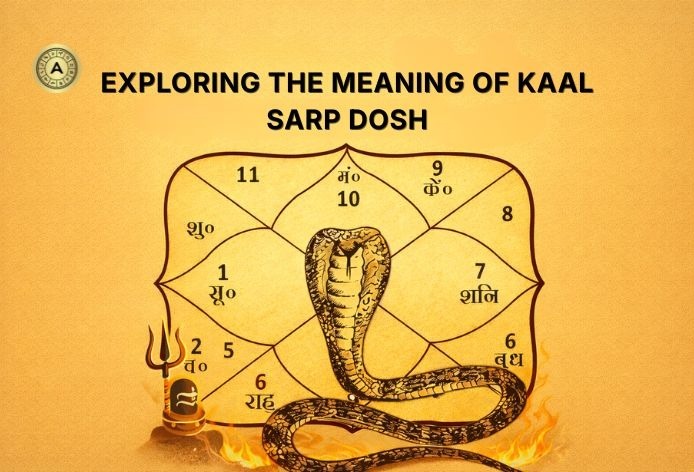


According to Vedic astrology, your birth chart works on the 12 houses that are also called bhavas. Each house indicates a different area of life. These houses are like twelve rooms in a cosmic mansion: some are social and busy, and some are private and introspective. Accordingly, when a house is occupied by a particular planet, they bring their energy to that area of life. In this article, we explain the 12 houses in astrology in simple language and explore what each house represents. Learning about the houses is one of the foundations of a kundali chart analysis and can offer deep self‑awareness when approached with an open mind.
Houses vs. Signs and Planets: Getting the Basics Right
Before going into the details of the houses, it is important to understand the differences that exist between signs, planets, and the houses. The houses of an astrological chart, in the Vedic system of astrology, consist of twelve fixed areas that signify the different areas of life. These areas remain fixed and are always rooted in the exact time and place of birth. The twelve signs signify the coloring that the areas receive according to their distinct planetary bodies. The planets signify the actors of the event that take place in the different areas. For instance, when the Moon lies in the fourth sign, the fourth area receives the emotional coloring of home and mother. The sign that lies in the fourth house signifies the manner of that home.
There are also traditional groupings of these houses:
Kendra (Angular) Houses - Houses 1, 4, 7, and 10.
These sun-centered, or angular, houses have been regarded as very important houses and have been related to very important sectors of life, for example, self/ego, home and family, pairs or partnerships, and profession/business.
Trikona (Trine) Houses – Houses 1, 5, and 9.
These houses are normally seen as favorable and are associated with growth, learning, and positive life experiences.
Dusthana Houses - Houses 6, 8, and 12.
These are considered to be challenging because they denote resistances, debts, diseases, and unexpected developments, besides losses. The challenges offered by these houses can act as catalysts for change if managed acutely.
We can group the houses in kundali another way with the help of Western astrology, which categorizes the houses as angular, succedent, or cadent. In angular houses (1, 4, 7, 10), the energies are action-oriented or initiatory, while in succedent houses (2, 5, 8, 11), the emphasis is on establishment or resource, with cadent houses (3, 6, 9, 12) being associated with learning or change.
The First House: Self and Identity
The first house is the beginning of your chart and is known as Lagna or Tanu-Bhava. This house is an expression of your body, face, vitality, health, and conduct. This house is considered as the filter for all the house aspects of your birth chart. A well-marked first house shows confidence, strength, and a defined self-image. The weak or ill-marked first house might show lack of confidence, ill health, or confusion regarding your identity. This is the most prominent factor determining the remaining positions in a person's astrology chart and is the reason why its planetary positions have a great influence on a person's experiences in life. It is essential to note that while learning how to read a Kundali, you need to give importance to the first house and its related planets.
The Second House: Wealth, Speech and Values
The second is related to the house of wealth, savings, and possessions, as well as family. It is known as Dhana Bhava. This representation is linked to financial acquisition, financial management, and financial relations with the nuclear family. Speech and food are also important themes; this house shows one's communication style and eating habits. In some traditions the second house is considered a "maraka" (life‑threatening) house because it lies twelfth from the third house of vitality. Planets placed here affect financial stability and family ties; benefic planets like Jupiter or Venus often bring prosperity and harmonious speech. Malefic planets may indicate financial struggles or harsh speech.
The Third House: Communication, Siblings and Courage
The third house (Sahaj Bhava) focuses on communication, mental ability, and siblings. It reveals how you convey ideas, your curiosity, and how you handle new experiences. Courage, hobbies, neighbors, and short journeys also fall under this house. The ability to learn new skills and the energy to take initiative are reflected here. An empowered third house will therefore reveal a lot about your speaking skills, your inquiring mind, or your boldness, whereas a weak third house will show timidity or speech problems. This is where some astrologers believe that the domain of hands and arms is located; your creativity or manual skills will therefore be under the control of this sphere.
The Fourth House: Home, Mother and Inner Security
The fourth house among all the 12 houses in astrology is about the home and the mother. It is also called Sukha Bhava or Bandhu Bhava in astrology. It tells you about the home you grew up in and how you feel about your mother and the family you were born into. It is also about how you feel about being safe and comfortable. The planets in this house show what your personal life is like. The fourth house is quite important, as it is linked to home and mother, as well as your feelings related to them. An unfortunate position of the planets might make you feel unhappy or anxious in your home. It is linked to immovable properties, automobiles, ancestral properties, or the cardiac area.
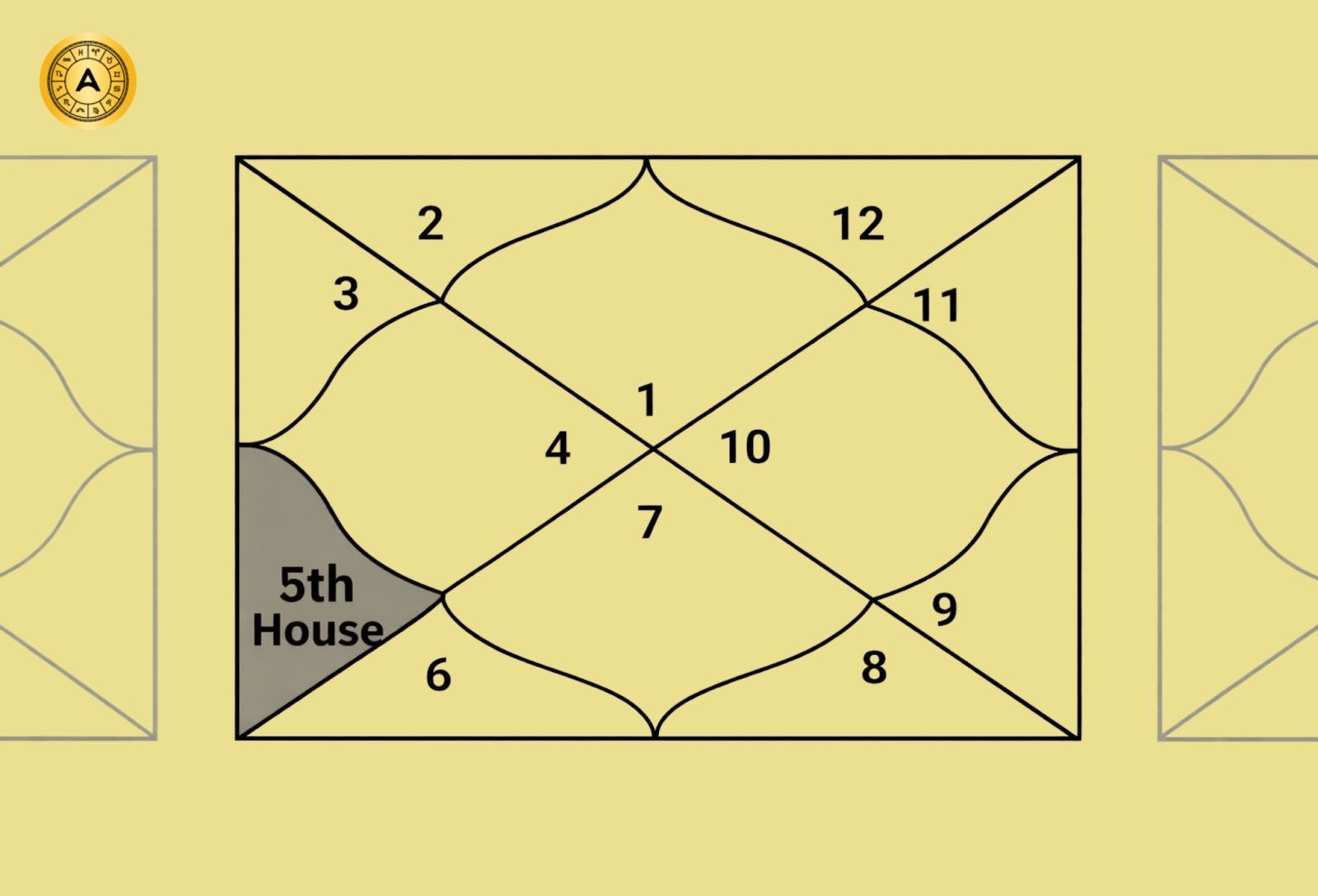
The Fifth House: Creativity, Children and Learning
In Vedic astrology, this is known as Putra Bhava, which means creativity, children, or education. This shows how we channel our creativity through art, hobbies, or speculation, and then our capability to have kids. It is related to romantic love, gambling, past life actions, and religious practices involving mantras. The presence of planets in the fifth house determines one's imagination and learning abilities; for example, Jupiter in this house is known to make a person a successful academic and a philosophical one. The fifth house is known to be one of the "Trines" (happiness and good results in those houses that have good aspects on them).
The Sixth House: Service, Health and Daily Challenges
In our kundali, this house is of health, daily work, service, and adversities. It tells us about all the health-related issues and other problems of life, like illnesses, debts, enemies, legal disputes, and everyday responsibilities. This house highlights discipline and the need to care for both body and mind. Though often seen as a difficult house, it also shows our ability to serve others and deal with problems. These planets can improve working practices and awareness of good health, while challenging planets can cause issues of health and problems.
The Seventh House: Partnerships and Public Life
The seventh house is also the house of relationships and known as Yuvati Bhava or Kalatra Bhava. It deals with married life, partnership, agreements, and interactions with the public. Opposite the first house of self, it reflects what we seek in others and how we complement or oppose our own nature. Planets here show whether relationships will be harmonious or challenging and what qualities we attract in partners. Since it is one of the kendra houses among the group of houses in Vedic astrology, the seventh house also points to important life events like marriage, legal agreements and diplomatic interactions.
The Eighth House: Transformation, Secrets and Shared Resources
The eighth house, Randhra Bhava, is actually misinterpreted because it is related to the unseen side of life and its mysteries. It is related to deep change, death, inheritance, joint finances, secrets, mysterious knowledge, sudden events, accidents, crises, and much more. It is actually the eighth house that dares to challenge us to overcome our fear, liberate us from our bondage and attachment, and explore our unconscious mind. The planets orbiting in our eighth house make us aware of how we handle change, whether we can't handle it or whether we can actually adapt to it. The presence of a strong eighth house can actually make us see our religious transformations in these areas, while a weak one can actually bring turmoil in life or make a person anxious.
The Ninth House: Spirituality, Luck, and Higher Knowledge
Dharma Bhava is the ninth house that is about fortune, higher education, and spirituality. The ninth house shows how we feel about instructors or gurus and what we believe in and what we think is right and wrong. The ninth house is also about things like philosophy and law. This house is one of the trine houses of kundali, so it is known to bring good things into our life through spiritual practice and education and travel and Dharma Bhava. This house's planets show how we look for purpose and broaden our perspectives, whether via religious pursuits, academic pursuits, or daring travel.
The Tenth House: Public Role, Career, and Status
Karma Bhava, the tenth house, shows your occupation, social status, and public image. It is basically connected to your karma and demonstrates your approach to work and responsibilities as well as the potential recognition you might get. This house shows the relation to the government, power, achievements, and one's contribution to society. The tenth house is a Kendra house and is also in the middle of the horoscope, showing the ambition either for leadership or status and also the work environment. Even when the planets in this house are adverse, they denote problems at work or laguna with the authorities; the positive ones denote prosperity and glory.
The Eleventh House: Gains, Friendships and Aspirations
The description of the eleventh house is Labha Bhava. This house is related to connections, friendships, hopes, and additional earnings apart from the main income. This house reveals how we link or connect with groups, organizations, and communities and how such connections aid us in the achievement of our hopes or fulfill our hopes for the future. Elder brothers, instructors, and patrons are indicated from this house. The presence of planets in the eleventh house affects our connections and earning capacity.
The Twelfth House: Loss, Liberation and Spiritual Retreat
The twelfth house, which is also called Vyaya Bhava from the 12 kundali chart houses, essentially deals with endings and spiritual liberation. It is also linked to lands and places people go to be alone, like hospitals or monasteries. When we think of the house, we are reminded of the need to step back from all worldly things. This house is a time for such things as meditation and giving to charity. It's also a time to let go of all those things that weigh us down.
The twelfth house can be rough because it can indicate some kind of loss or separation. It can be the monetary kind of spending expenditure or the avoidance of being with someone or anyone at all. The twelfth house teaches us to examine ourselves and understand that everything is impermanent. The twelfth house, Vyaya Bhava, plays a very important role in having our minds trace what is important in life. Planets here reveal one's approach to solitude, spiritual practice, and subconscious patterns.
Understanding House Meanings with Professional Insights
When you start to understand how each house works in a chart, it can be really hard to figure out how they all work together. In these situations getting professional help can be the best option for a better understanding and accurate interpretation. At Astro247, you can know about the placements of planets in your chart and what they mean for you. Astro247's AI platform can look at how the planets are placed and how the houses are connected, and then it can give you professional guidance through real-time AI astrology. For those seeking trusted support while exploring houses in Vedic astrology, Astro247 makes it easier to move from theory to practical understanding without losing the depth of classical astrological principles.
Conclusion
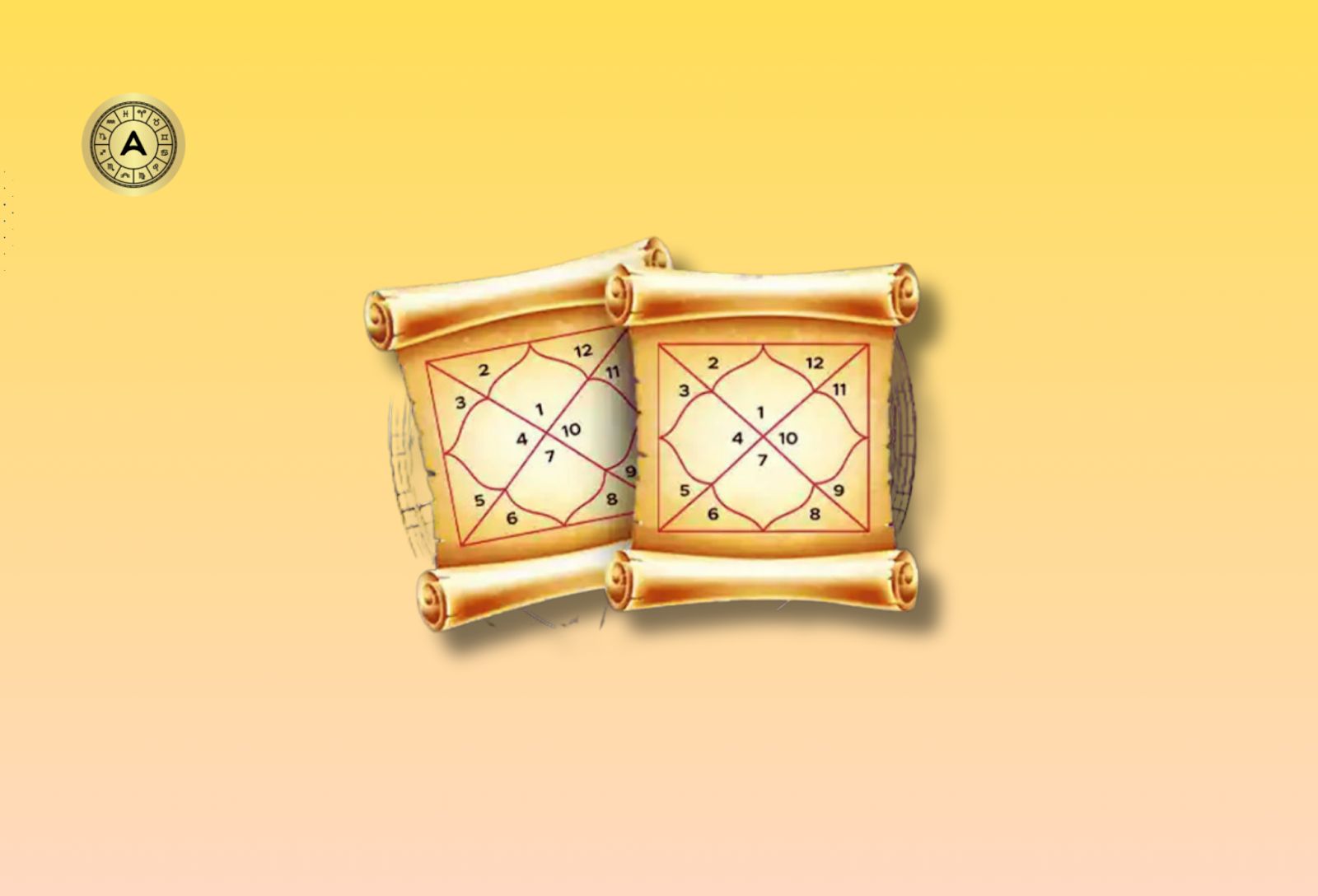
There are 12 houses in astrology, which allow us to better understand life. These houses are considered the pieces of our life, which include who we are, family, what we do, people we love, and feelings we have for things beyond us. Each of the 12 houses is a location where our soul expands with knowledge.
By observing the chart, we can see how all the planets and signs coordinate in each of the astrology houses and thus find out what makes us tick, what we are good at, and what gives us trouble. Astrology houses and Vedic astrology are not about being scared or thinking that everything is already decided.
Vedic astrology is to apply this knowledge for gaining more insight into ourselves and for our betterment. The twelve kundali houses can serve as a guide for navigating life's journey with greater understanding if one approaches them with humility. If you want to get personalized guidance for you on your houses and planets, then you can explore the Astro247 app to get professional personal insights.
Frequently Asked Questions
About the Author
Jyotish Rahul
10+ years ExperienceJyotish Rahul has been a Vedic astrologer for more than 10 years. He is known for his calm guidance and specializes in kundali analysis and planetary influences, helping people make confident life decisions. With a warm counselling style, he helps clients understand their charts and navigate life's important decisions.