
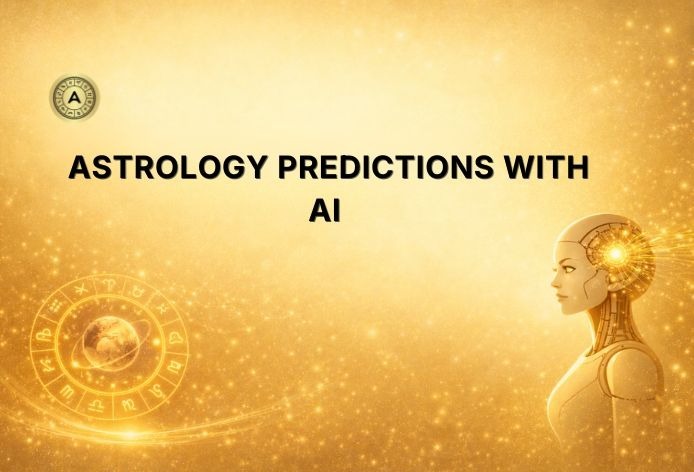
Astrology has always combined calculation with intuition. In India, people have followed this for centuries to understand life events using planetary positions. However, in 2026 artificial intelligence has brought so many new trends in this process. For long enough, astrologers used planetary position tables, manual calculations and personal observations. Nowadays, computer algorithms can create a birth chart within a few seconds and chatbots can give horoscopes any time of the day. This article will discuss the AI-based astrology prediction in 2026, discuss the technology behind it and explain how it will transform the thinking of fate and free will.
How automation is changing everyday astrology
When we talk about automation in astrology, we are talking about the ability of software to create, read and personalize horoscopes automatically. Applications and websites now review birth information, work out planetary placement and provide advice in a few seconds. In the present time, AI is able to filter through huge amounts of data and discover trends that a human mind would not notice. It is also able to prepare predictions based on the lifestyle, preferences and past experiences of an individual. Many users found it very convenient, as they do not have to wait for a long appointment with an astrologer. In a world where people expect instant answers, AI astrology fits naturally into daily life.
This does not mean that tradition dies away. AI still follows Vedic astrology rules such as houses, signs and planetary transits, but it changes the game with speed and scale. Think about a digital assistant that can quickly calculate your dasha times or correct your birth time on the basis of some significant occurrences in your life. Artificial intelligence is able to do such jobs with impressive effectiveness and provide guidance on further research.
How AI turns astrology data into predictions
Technology is at the central part of this change. Machine learning astrology involves training algorithms on thousands of birth charts and horoscopes and past events. The system learns how to identify patterns by analyzing correlations between planetary alignments and life events. Natural Language Processing (NLP) allows the AI to read old texts and their updated versions, understand the context and produce human-like answers. Some platforms also use deep learning-based models (such as voice assistants or language translators) to generate personalized instructions.
Data matters, too. The traditional astrologers could depend on several charts and their own experience to make predictions; AI can handle millions of them. The experts claim that AI astrology tools can notice small connections between cultural realities and the position of planets. They can identify a combination of planets and houses in Vedic astrology that often point to growth, caution or change. In this way, they act as forecasting tools that provide estimated information, not a final guarantee. Users need to keep in mind that these models learn from the data they are trained on. If the data comes from only one region or group, predictions may be limited; therefore, careful developers use different datasets to reduce biases and improve accuracy. (Astro247 follows careful model development and uses varied datasets to improve prediction quality.)
Benefits of AI‑driven astrology
Personalisation and accessibility
AI astrology has become one of the most significant attractions due to its personalized readings. Since the software has the ability to store and analyze your chart and your past response, it is able to make future predictions more accurate. For example, if a user found career predictions more accurate than love predictions, the system can change the focus. Many platforms also offer daily guidance, transit summaries and compatibility checks in simple language. Some platforms even support multiple Indian languages so that the individuals with other language backgrounds can access astrological knowledge. This makes astrology accessible to people who may not be able to consult an astrologer because of the cost or even the location or social taboo.
Speed and convenience
Another advantage is speed. Creating a complete birth chart can require hours of work, especially in Vedic astrology, where divisional charts are used. The AI-powered astrology analysis tools can be used to generate charts and offer immediate predictions and timelines. By the time you have the cup of chai, you might have had your dasha sequence and a personalized report about the coming year. This quick reaction fits in the modern lifestyle, where quick answers are appreciated.
Finding hidden patterns
Astrologers have always looked for patterns like how the passing of Saturn can go hand in hand with career downfalls or how the position of Jupiter can indicate growth. AI is also effective in recognizing patterns. They study historical events along with planetary data to find combinations that appear frequently. As an example, it may be noticed that some of the Moon-Mercury combinations are common amongst the entrepreneurs or that some nakshatra combinations are linked with artistic skills. Although these trends are not necessarily fixed, they may encourage deeper thinking and self-reflection. This balance between data and intuition makes AI astrology interesting and useful.
Emerging trends: AI astrology in 2026 and beyond
Integrating wellness and wearables
In 2026 AI astrology will be able to do more than chart readings. Think of a fitness band working together with a horoscope application. If your device records disturbed sleep during a Mars‑Moon transit or higher energy during a Jupiter return, the system could adjust its advice. Astrological transits can be used with wellness data like sleep cycles, heart-rate variability and mood tracking to provide holistic advice. It can suggest meditating more during a difficult dasha or working more creatively when Venus is in a favorable position. Combining personal data with planetary cycles is one area where technology can improve astrology predictions.
Augmented reality and voice interfaces
The second trend is the application of augmented reality and voice assistants. According to the article published by JPLoft, the future of AI astrology services can have AR sky maps where users can hold their phone at night and point it at the sky, which would display individual interpretations. Voice assistants may answer questions like "What is the end of my Mercury dasha?" or "Is today a good day to sign papers?" These tools make sure that astrology is interactive and realistic. You could get audio guidance in bits as you cook or walk instead of reading long paragraphs. This will suit the hectic schedules of the modern-day users.
Deep language and cross‑cultural insights
Language models of AI have now mastered the ability to translate and summarize complicated texts. This refers to a vast collection of traditional and modern astrology knowledge brought together in one place. Through NLP, artificial intelligence brings together knowledge from different cultures and traditions. It is able to compare different astrology systems or see how the same planetary arrangement is understood in other regional traditions. The result is a broad set of information that users can explore and find interesting. This diversity of cultural view is not very common in individual consultations and represents a unique aspect of AI.
Generative guidance and personalised rituals
Large language models are not only capable of translation but also content generation. Certain AI applications have already tailored individualized affirmations, meditations or rituals. For example, a program may suggest journaling or chanting mantras when it sees that a person's chart shows an overactive mind during Mercury retrograde (a period linked with communication challenges). Astrology becomes practical with such personalized wellness recommendations. This helps bridge the gap between astrology and daily life, while still allowing human review and choice.
Data privacy and ethical frameworks
Greater personalization is followed by an increased demand for privacy. Birth details, health data and self-reflections are sensitive information. Trustworthy predictive astrology systems need to have powerful data-protective measures and users should have control over how their data is stored and used. This year we are looking forward to even more strong ethical standards that guarantee the consent of users and transparency. Platforms can also follow the open-source approach or provide specifications on how predictions are created to gain trust.
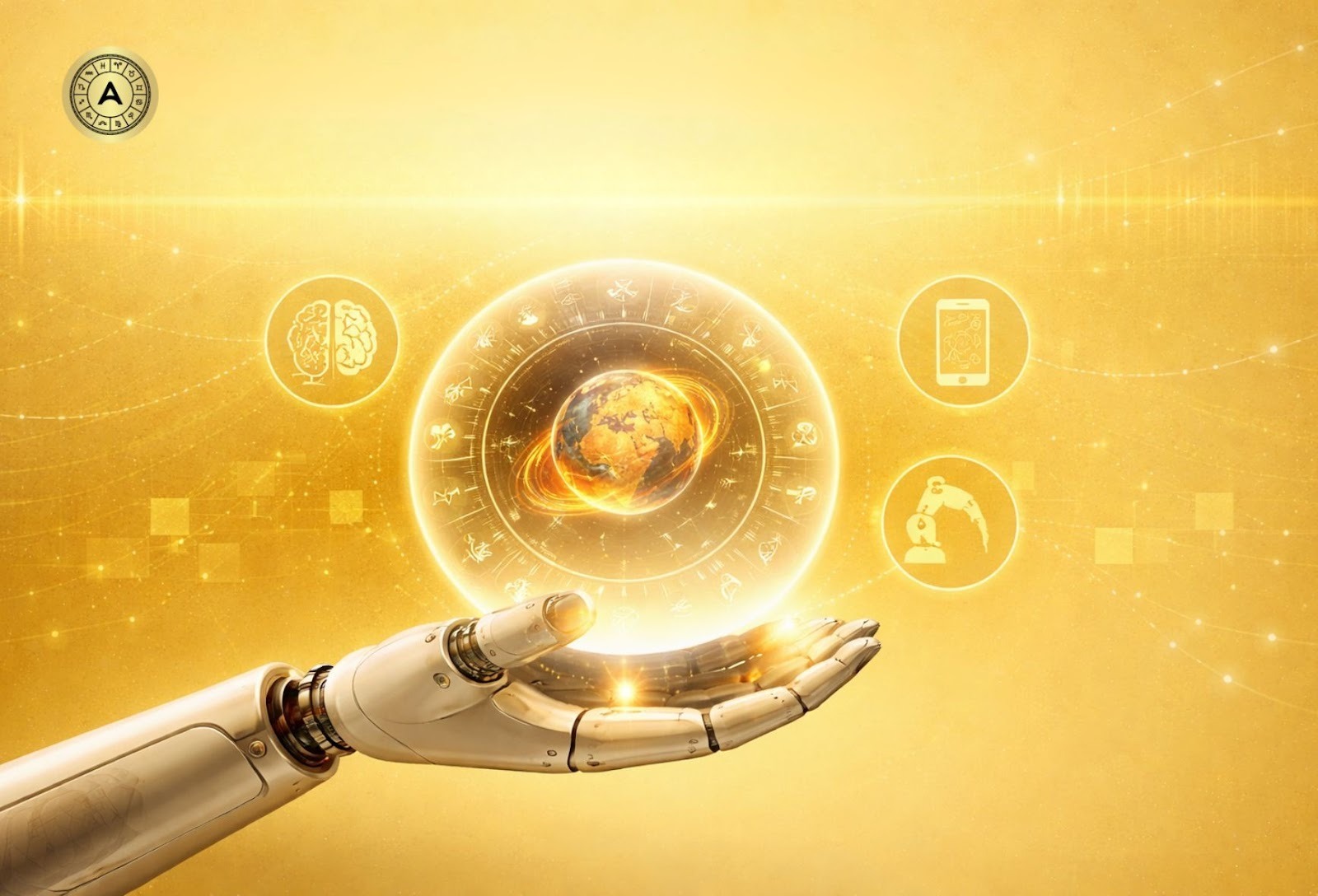
How Astro247 Fits Into the Future of AI-Driven Astrology
As astrology continues to evolve with technology, Astro247 reflects how these changes can be applied thoughtfully and responsibly. By combining traditional astrological principles with modern computing systems, Astro247 focuses on accuracy, clarity and consistency. The platform processes complex planetary data smoothly, presents insights in simple language and keeps interpretations consistent across charts. This approach allows users to explore astrology without confusion or delay, making predictions feel accessible rather than overwhelming. Instead of replacing wisdom with automation, Astro247 uses technology to support deeper understanding, helping people connect ancient astrological knowledge with modern life in a simple and trusted way.
Conclusion
Mathematics and spirituality have always been a part and parcel of astrology in India. Artificial intelligence adds a new tool to this tradition. AI provides an easy solution to access the wisdom of the stars by calculating numbers, detecting patterns and providing individuals with personalized information. It speeds up the calculations, makes astrology more convenient and brings out different patterns from different cultures. The future of astrology predictions in 2026 is more collaborative than competitive. Technology will keep on helping, translating and recommending and human intuition will give feeling, morality and the culture. Together, they help people understand life patterns with clarity and confidence.
Frequently Asked Questions
About the Author
Jyotish Rahul
10+ years ExperienceJyotish Rahul has been a Vedic astrologer for more than 10 years. He is known for his calm guidance and specializes in kundali analysis and planetary influences, helping people make confident life decisions. With a warm counselling style, he helps clients understand their charts and navigate life's important decisions.